

A Guide to Foreign Property Ownership in Dubai
Property investment in Dubai can be a significant decision. The United Arab Emirates is known for its active Dubai Real Estate Market, attracting investors from around the globe. With its modern infrastructure, luxurious lifestyle, and strategic location, the UAE has become a hotspot for property investment. Luxury residences, commercial property, and new developments continue to attract international buyers. Potential investors must understand the foreign ownership restrictions in the UAE, which play a crucial role in shaping the market dynamics and investment strategies.

These foreign ownership restrictions in the UAE are designed to balance the inflow of foreign investment with the preservation of local interests. Understanding these regulations is essential for anyone looking to navigate the Dubai Real Estate Market successfully. The restrictions determine where and how foreign nationals can own property, impacting the decision-making process for both individual buyers and large-scale investors. By designating specific areas for freehold ownership, the UAE government encourages foreign investment while maintaining control over strategically important regions.
Variations Across Emirates
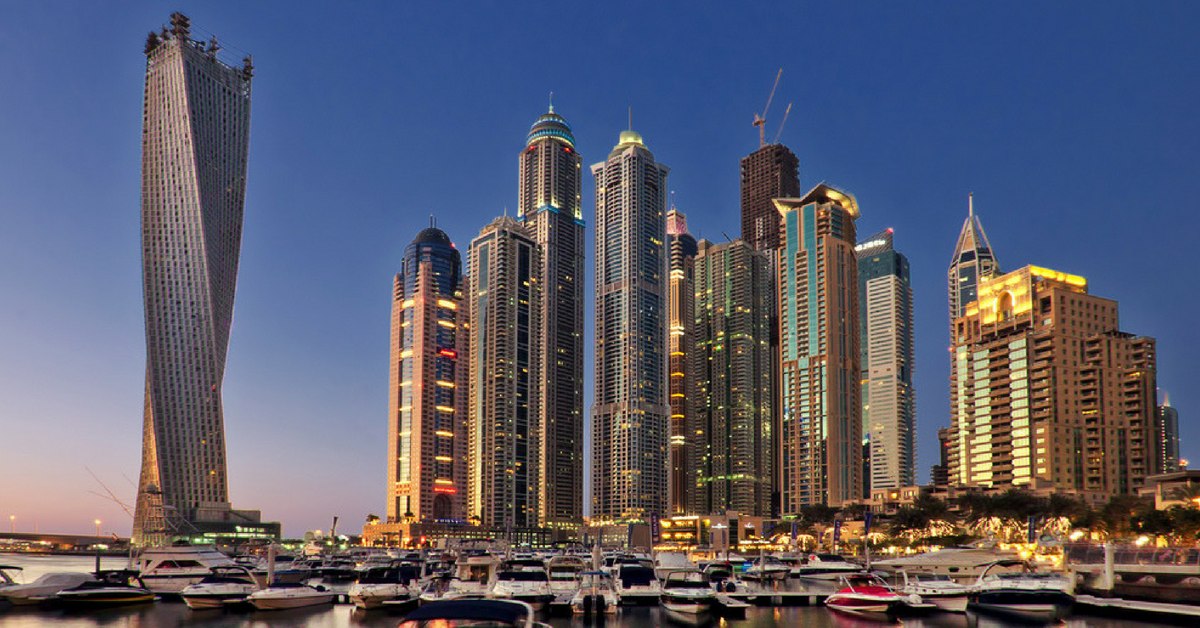
The foreign ownership restrictions in the UAE can vary significantly across different emirates and property types. For instance, Dubai is known for its liberal approach, offering numerous freehold zones where foreign investors can purchase property outright. These areas include iconic locations like Downtown Dubai, Dubai Marina, and Palm Jumeirah, which include residential and commercial property available to eligible foreign buyers. Rules and permitted interests depend on the designated area and transaction. Abu Dhabi also uses designated investment zones with specific rules for foreign ownership.

Investors must also consider the differences between freehold and leasehold properties under the foreign ownership restrictions in the UAE. Freehold properties allow for full ownership, including the land, while leasehold properties provide rights for a defined term, which can vary by property and agreement. These distinctions affect control, duration, resale, inheritance, and financing. Buyers should also account for registration charges, service fees, and applicable tax treatment.
Market Impact
The impact of foreign ownership restrictions in the UAE extends beyond individual property transactions. These regulations influence property prices, market trends, and the overall investment climate. Freehold areas often see higher property prices due to the demand from foreign buyers, while leasehold areas may offer more affordable options. Additionally, the ongoing adjustments to these restrictions reflect the UAE’s broader economic goals, such as attracting foreign capital, fostering sustainable development, and ensuring balanced growth across its real estate sectors..
In recent years, the UAE has made several amendments to its foreign ownership laws to enhance its appeal to international investors. These changes aim to simplify the investment process, provide greater security for foreign buyers, and ultimately boost the UAE’s position as a global investment hub. Despite these advancements, it remains crucial for investors to stay informed about the current foreign ownership restrictions in the UAE and seek professional advice to navigate these complexities effectively.

Key Points of Foreign Ownership Restrictions in the UAE
Foreign ownership restrictions in the UAE are a set of regulations that govern the extent to which non-UAE nationals can own property within the country. These rules are crucial in shaping the landscape of property ownership and investment for foreign buyers. The regulations are not uniform across the UAE; instead, they vary significantly from one emirate to another and even across different types of properties within the same emirate.
For instance, while Dubai is known for its relatively liberal approach to foreign ownership, offering numerous freehold areas where foreigners can purchase property outright, other emirates like Abu Dhabi have more conservative policies with fewer designated zones for foreign ownership and stricter conditions. This variance makes it essential for potential investors to thoroughly understand the specific foreign ownership restrictions in the UAE before committing to any investment..
Foreign Ownership in Dubai
In Dubai, the foreign ownership restrictions in the UAE allow for full property ownership in designated freehold areas. These areas, including prominent locations like Downtown Dubai, Dubai Marina, and Palm Jumeirah, allow eligible foreign buyers to acquire registered rights under Dubai law, supporting international investment. Conversely, in Abu Dhabi, foreign ownership is typically limited to leasehold arrangements in designated investment zones through forms of ownership and long-term rights permitted by Abu Dhabi law. Buyers must verify the title and exact legal interest. This highlights the importance of understanding foreign ownership restrictions in the UAE, because terms and conditions vary by emirate, designated area, property, and transaction.
General Overview of Foreign Ownership Restrictions
The UAE’s property market is divided into two main Categories: freehold areas and leasehold areas. Freehold areas: allow foreign nationals to own property outright, whereas leasehold areas provide rights for a defined term rather than unrestricted ownership.
Freehold Areas: In these designated zones, foreign investors can purchase property with full ownership rights. Popular freehold areas include Dubai Marina, Palm Jumeirah, Downtown Dubai, and Al Reem Island in Abu Dhabi. The government has identified these areas to encourage foreign investment and foster economic growth.
Leasehold Areas: In leasehold areas, foreign nationals can acquire property through long-term leases but do not own the land. These areas are often found in regions with significant historical or cultural value, where the government aims to retain greater control over property ownership.
Foreign Ownership in Abu Dhabi
Abu Dhabi, the capital of the UAE, permits foreign property rights in designated investment zones under its own legal framework. Its approach to foreign property ownership compared to Dubaitherefore differs from Dubai. Designated investment zones include:
- Al Reem Island: A rapidly developing area with a mix of residential, commercial, and retail properties.
- Saadiyat Island: Known for its cultural institutions like the Louvre Abu Dhabi, this area offers high-end residential properties.
- Al Raha Beach: A waterfront development offering a mix of residential, commercial, and recreational properties.
While these areas allow foreign ownership, buyers should confirm the title, permitted ownership interest, and current Abu Dhabi’s regulations conditions before entering a purchase agreement.

Impact on Market Dynamics
The foreign ownership restrictions in the UAE play a crucial role in shaping the Dubai Real Estate Market. These regulations aim to balance the need for foreign investment with the preservation of national interests. By designating specific areas for foreign ownership, the UAE government ensures that economic growth is supported while maintaining control over critical regions.
These restrictions also influence property prices and investment strategies. Freehold areas tend to attract higher prices due to the demand from foreign investors, while leasehold areas may offer more affordable options. Investors must carefully consider these factors when making decisions.
Recent Developments
In recent years, the UAE has made several changes to its foreign ownership laws to attract more international investors. Notably, the introduction of the 100% foreign ownership law for mainland companies has been a significant step. This law allows foreign investors to own eligible businesses without a local shareholder. Company-ownership rules are separate from the rules governing rights in real property.
In the real estate sector, there have been discussions about expanding the number of freehold areas and updating investment frameworks. Property transactions can still involve registration charges, service fees, VAT in applicable cases, and other costs. These changes aim to support foreign investment, support economic diversification, and enhance the overall Dubai Real Estate Market..
Practical Tips for Foreign Investors
For those considering investing in the UAE property market, here are some practical tips to navigate the foreign ownership rules::
- Research Thoroughly: Understand the specific foreign ownership restrictions in the UAE, including the differences between freehold and leasehold areas..
- Consult with Experts: Engage with real estate agents, legal advisors, and property consultants who are familiar with the UAE market and its regulations.
- Choose the Right Location: Identify areas that align with your investment goals, whether it’s for residential, commercial, or mixed-use properties.
- Understand the Costs: Be aware of the associated costs, including property registration fees, maintenance fees, and any other charges that may apply.
- Stay Updated: Keep abreast of any changes in the laws and regulations to ensure compliance and make informed investment decisions.

Conclusion
Understanding foreign ownership restrictions in the UAE is essential for any investor looking to tap into the lucrative Dubai Real Estate Market. These regulations, while aimed at balancing national interests with economic growth, present a unique set of opportunities and challenges. By staying informed and seeking professional guidance, investors can successfully navigate these restrictions and make the most of their investment in the UAE’s dynamic real estate landscape..